

Mapping the Afterlives of Performance
A calm, practical pathway that turns performance’s echoes into living archives, care practices, and legacy tools for artists and cultural workers.
What “Afterlives” Means
Performance does not disappear. It persists. It recurs in documentation, archives, institutions, and communities. Afterlives are the ways live works return through records, memories, and reactivations, which is why artists need frameworks that shepherd those returns with care.
This project translates that discourse into plain tools for practice within Black, queer, and BIPOC+ creative lifeworlds.


Our Group Experience will Cover
The path that fits your practice. Each element is practical, repeatable, and light to implement.
Modules: performance archiving basics, consent and documentation ethics, reactivation planning, and estate considerations.
Templates: metadata sheets, rights and access notes, oral history prompts, file-naming, and folder maps.
Rituals: gentle, embodied check-ins that keep care and rest present in the workflow.
Workflows: capture, store, describe, share, and re-present your work without extractive strain.
Primers: community agreements, IP basics, and steps for legacy planning.
Community Care: prompts that align project pace with rest and sustainability.
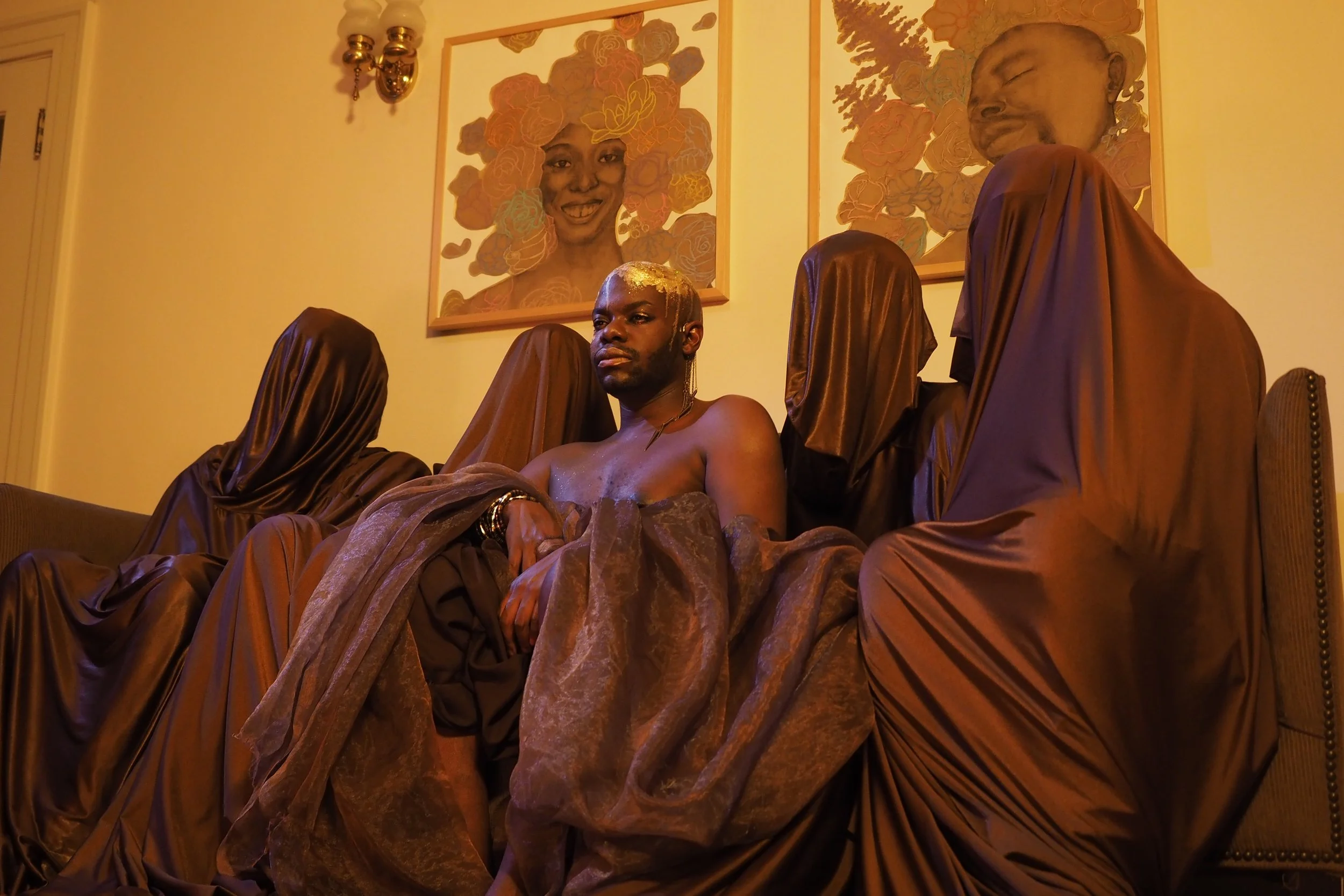
The offer aligns with Jaamil’s practice of weaving performance, writing, ritual, and healing-centered pedagogy.
Who It’s For
Artists and cultural workers, independent choreographers, small collectives, estates and archives, teaching artists, and curators seeking an artist-centered way to design living archives and legacies. This session centers BIPOC+ life-worlds.

The Approach: Soul Work + Systems Work
Attune: practices that honor memory, body, and spiritual grounding while reducing extraction.
Organize: lightweight systems for description, storage, and sharing that fit small teams.
Sustain: pacing, care, and access policies that protect the artist and the archive.
Archival & Legacy Services
1. Digital Preservation Audit & Ecosystem Assessment
A holistic review of your current digital life:
Google Drive / Dropbox / iCloud file ecosystem analysis
Audit of file structures, naming conventions, backup systems, permissions
Identification of vulnerabilities (loss risk, duplication, privacy issues)
Personalized preservation plan rooted in documentation ethics and cultural nuance
Deliverables: audit report, restructuring plan, priority action steps.
Full design + setup of a living digital archive:
Folder architecture tailored to your practice, values, and afterlives
Unified file-naming protocols
Metadata templates tailored to your practice
Versioning + workflow systems for ongoing maintenance
Role-based permissions & access boundaries
Ideal for: individual artists, collectives, cultural workers, small orgs.
3. Care-Based Documentation Workflow Design
Systems that align documentation with embodiment, ethics, and consent:
Sustainable habits for capturing ephemeral or movement-based work
Ritualized, trauma-informed approaches to self-archiving
Templates for rehearsal logs, process notes, and reflective writing
Ethics of photographing/videoing others, rights & releases, cultural safety
2. Google Drive Archive Buildout
4. Artist Legacy & Afterlife Planning
Long-term infrastructural support:
Values-based planning for how your work should circulate in the future
Creative will / stewardship plan development
Identifying trusted custodians
Preparing archives for potential estate transfer or institutional partnership
“What do you want to be remembered through?” exploration
About Jaamil

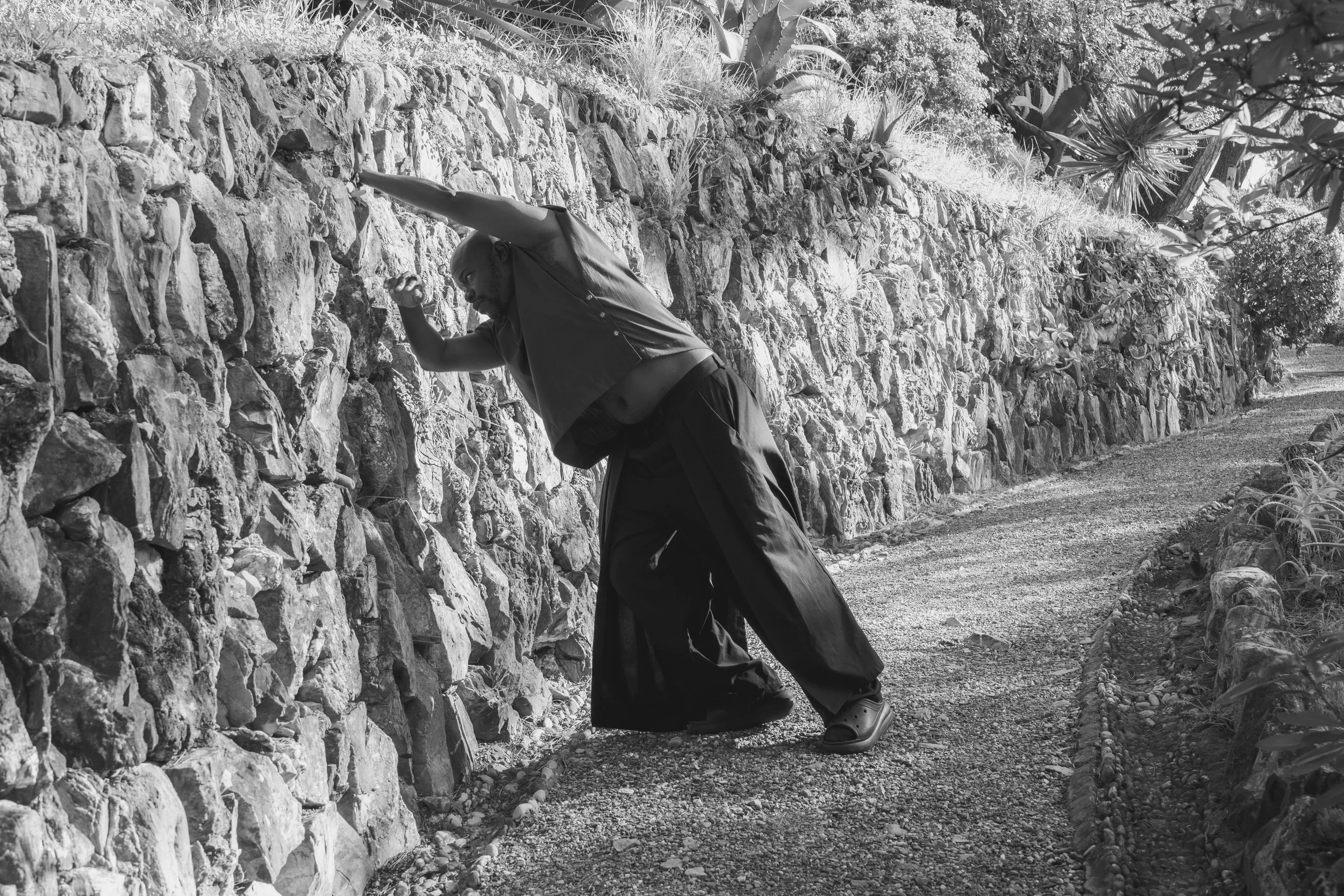
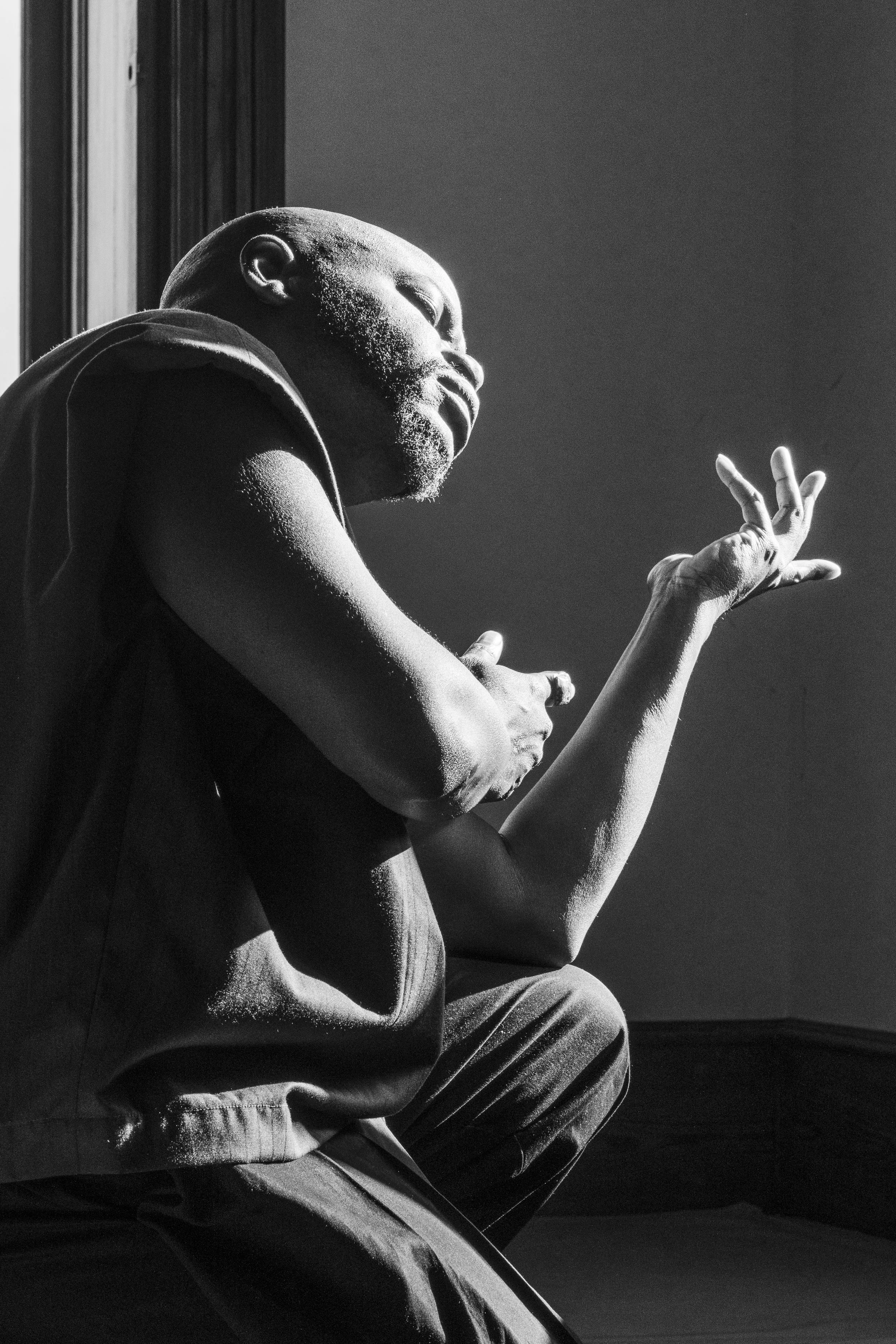
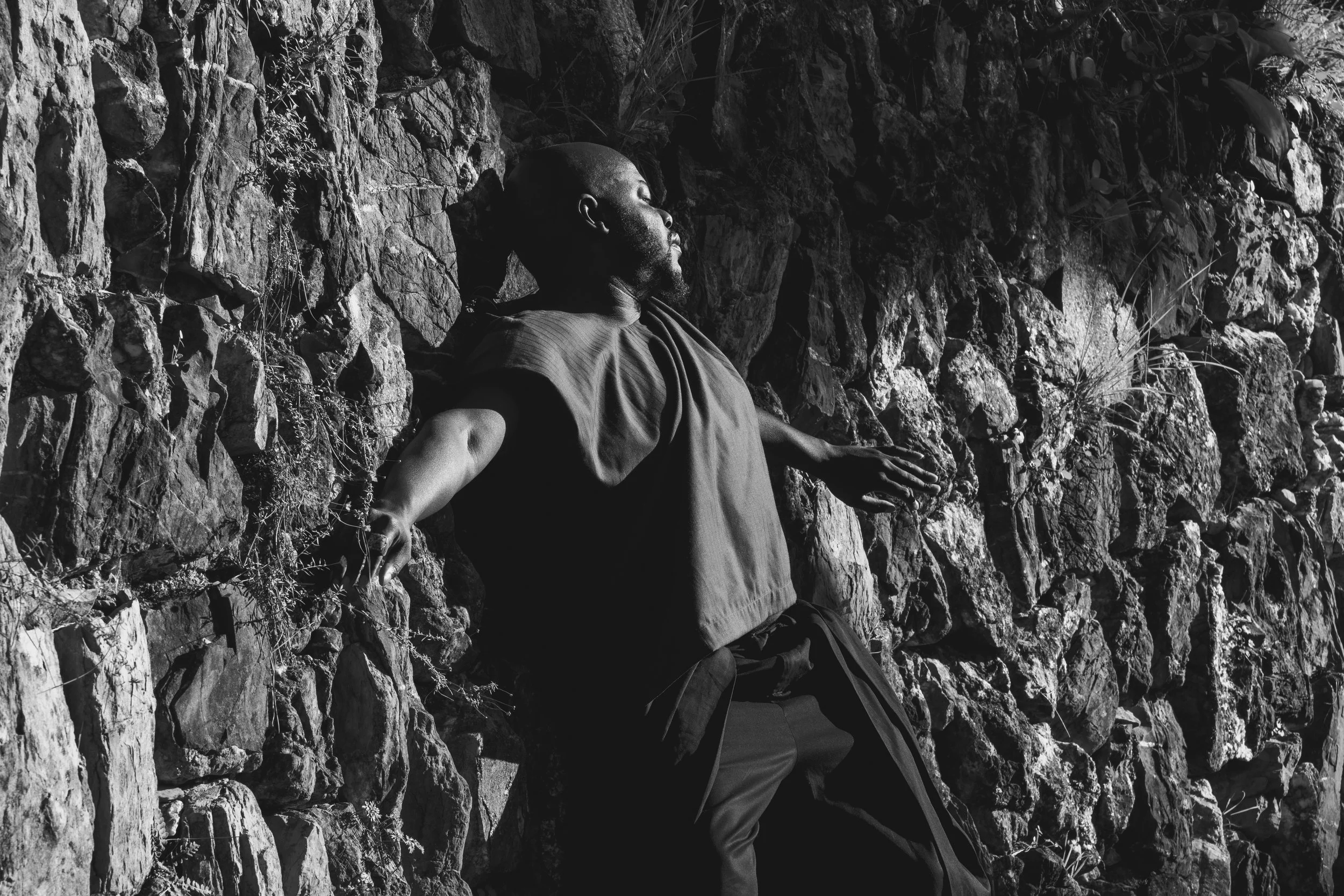
jaamil olawale kosoko, an American poet, curator, and creative director originally from Detroit, MI, is a 2017-19 Princeton Arts Fellow and a 2017 Cave Canem Poetry Fellow. jaamil lectures, speaks, and performs internationally. In Fall 2020, jaamil was the Alma Hawkins Visiting Chair in the World Arts and Cultures Department at UCLA. Their work in experimental performance and installation has toured throughout Europe having appeared in major international festivals including Within Practice (Sweden), Moving in November (Finland), TakeMeSomewhere (UK), among others. Publications include: The American Poetry Review, The Dunes Review, The Interlochen Review, The Broad Street Review, Silo Literary and Visual Arts Magazine, and Lithub. jaamil is the author of two poetry chapbooks, Animal in Cyberspace (2009) and Notes on An Urban Kill-Floor (2011). Their most recent book Black Body Amnesia: Poems and Other Speech Acts, was published by Wendy Subway, NYC in 2022.
FAQs
What outcomes can I expect?
You leave with a simple archive map, filled templates, and a plan for future reactivations.
What about rights and IP?
We include plain language guidance and resource links. For complex issues, we point to legal resources.
Is there sliding scale or scholarship?
When available, we share sliding scale and partner-supported seats. See the inquiry form for current options.
How do you handle documentation ethics?
We frame consent, access notes, and community agreements as core design elements, not add-ons.
Mapping the afterlives of performance starts here.
Join the Project or Talk to the Team to shape a sustainable archive and legacy, on your terms.
